Custom Websites, Apps & Automation
We’ll work out the details before we build.
We start by talking through your business and what people need from the website. From there, we organize the pages, develop the copy and design, and build what we’ve agreed. Custom applications and automation can be scoped alongside it.
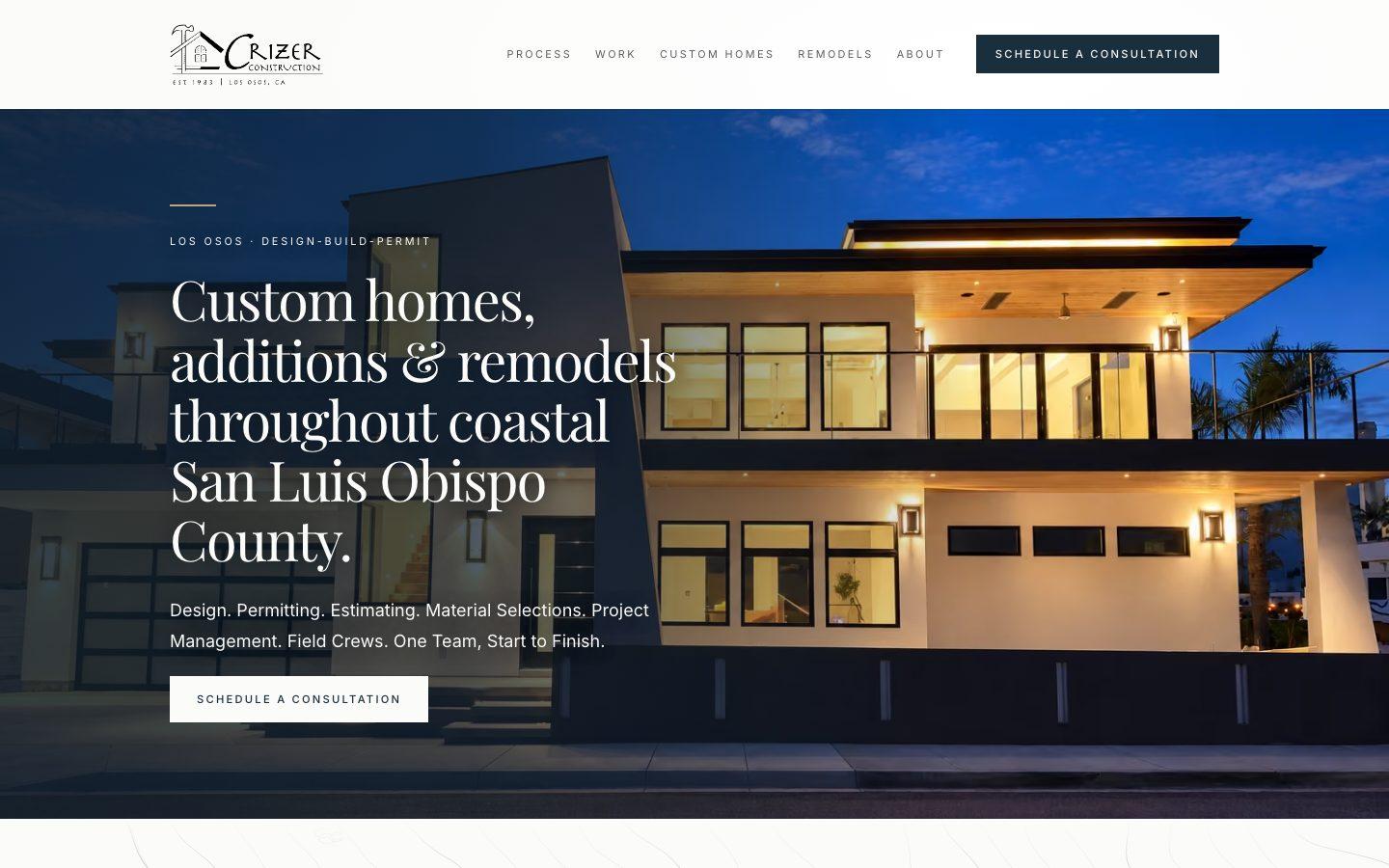
01 / Website Crizer Construction
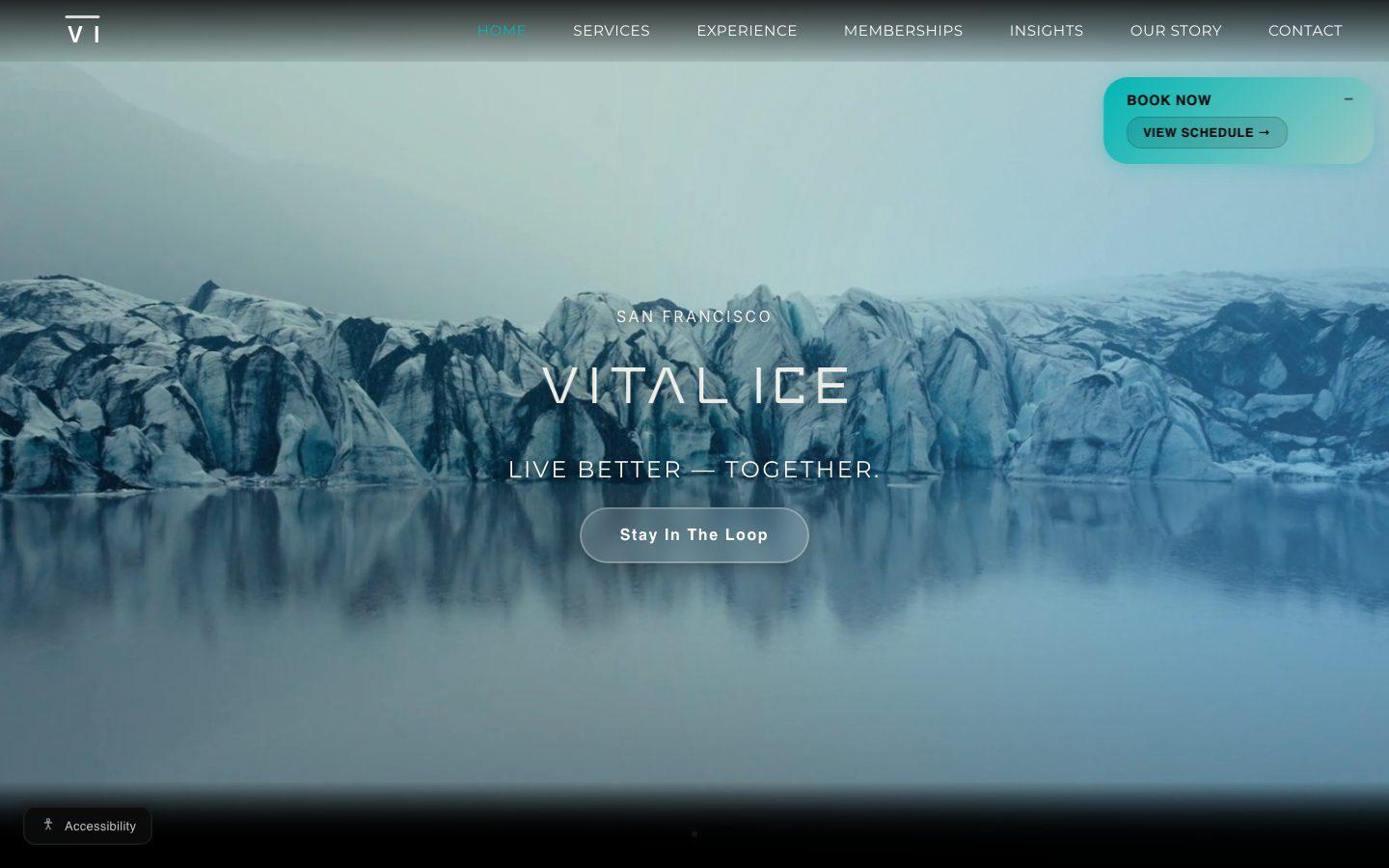
02 / Website Vital Ice
Signature Website
$5,000 project · Up to five agreed core content pages.
- 02Services
- 03Work
- 04About
- 05Contact
The pages and visitor path are planned around your business.
We work out which pages belong on the site and how someone will find their way through them. An interview and your existing materials give us a starting point for the copy, followed by custom design and responsive development.
- An admin portal for the content and controls agreed for your site
- One inquiry form and an existing booking link/embed if needed
- Foundational SEO and Google Search Console setup
- Optional GA4 and agreed inquiry tracking, subject to privacy configuration
- Performance, accessibility, mobile and end-to-end form checks
- Two consolidated revision rounds
- Launch, source-code handoff, documentation and a recorded walkthrough
You’ll review the work along the way, while there’s still time to make useful adjustments. It’s considerably easier to move a page around when it’s a plan than when everyone thought it was finished.
14 calendar days from launch for correction of defects against the agreed deliverables. New content, redesigns and features are new work; other responsibilities follow your agreement.
50% at kickoff; 50% after staging approval and before launch. The proposal sets the timeline and dependencies, including content, access and client approvals.
Expanded websites
A custom quote for the actual project.
Some websites need more pages, deeper content, a larger portfolio, or e-commerce. If the project extends beyond the Signature scope, we’ll work through what’s involved and quote it individually.
A contact form collects an inquiry. A booking link or embed connects to an existing service. A custom booking system has its own software scope, access requirements, costs and testing.
Need one part of your website improved?
You may only need a service page rewritten, a better way to show your projects, or an inquiry form fixed. That can be a project of its own, with an agreed scope and quote.
Show us how the work gets done.
Most awkward systems made sense at some point. Someone needed a spreadsheet, another person started keeping their own version, and now updating a job involves a small correspondence campaign.
We look at how your team handles the work and scope the tools that would help: scheduling software, customer portals, internal applications, or connections between systems you already use.
We can build another dashboard, of course. We’d like to establish why you need one first.
These are examples of projects we can scope. Custom apps are individually quoted, separately from the Signature Website.
- Construction apps
- Daily logs, project and equipment tracking, selections, and change-order workflows.
- Custom CRMs
- Contacts, leads, sales pipelines, follow-ups, and customer history.
- Estimating & invoicing tools
- Estimate builders, quote approvals, invoice generation, and payment-status tracking.
- Client & team portals
- Shared documents, project updates, approvals, and role-based access.
- Scheduling & operations tools
- Calendars, assignments, dashboards, and internal workflows.
- Business automation
- Data entry, notifications, document generation, reporting, and connections between existing systems.
We’ll work out what the first version needs to do.
- 01InquiryCapture the request
- 02Customer recordKeep the details together
- 03EstimatePrepare it for review
- 04InvoiceTrack the agreed work
Connections and approval steps are agreed for each project.
We start with the workflow, define a first version, and build and test it before launch. The handoff or support plan is agreed along the way. If the technical work needs investigation first, we may propose a separately agreed discovery phase.
We assess integration access, permissions, security, ongoing costs, and where human approval is needed before committing to functionality. Payments and consequential decisions need explicit controls.
Every Armature build includes an admin portal with controls agreed for the project. Choose a full handoff to manage the build yourself with AI, including source, documentation, and a walkthrough of how to plan, make, and test changes. Ongoing care is optional.
Tell us where the repeated work is happening. That usually gives us a useful place to start.
Optional hosting & care
You should know what you have and how it works.
Your domain and service accounts remain yours.
Managed hosting, monitoring, maintenance, or a defined update allowance can be agreed separately. There is no mandatory maintenance subscription. Scope, response expectations and recurring costs are written into the proposal; custom software maintenance has its own limits.
Every Armature build includes an admin portal for the content and controls agreed for your project. Your domain and service accounts remain yours. Receive the deliverable’s source and documentation, with third-party licenses, dependencies and transfer limits explained. You can take the build elsewhere.
Want to manage it yourself with AI? Choose a full handoff, including a walkthrough of how to plan, make, and test changes. We agree account responsibilities and ongoing costs before handing over.
Prefer an ongoing managed website service? Explore Armature One → Both brands create a design around your business; the delivery and ongoing service model differ.
Digital architecture
How the pieces connect.
Pages, information, people and tools—with clear responsibilities.
A website can connect your content, inquiries, booking, and the tools your team already uses. We work out where each part belongs, who controls the accounts, and which connections need their own software scope.
It helps to settle those questions before design and development begin. Otherwise, they have a habit of becoming everyone’s problem at once.
A working explanation / System ExplorerSee how the pieces connect.Choose a part of the website and see what it does, who controls it, and what needs to connect to it.Open the System Explorer ↗You’ll be involved while the decisions are being made.
- 01
Discover
We talk through the business, plan the pages and how visitors will use them, and agree the scope, responsibilities and timeline before building.
- 02
Design & Build
An interview and your materials give us a starting point for the copy. We develop it together, then review the design as the responsive website takes shape.
- 03
Review & Launch
You bring feedback together at the agreed reviews. Once you approve the staging site and the launch checks are complete, we publish the accepted version.
- 04
Handoff or Care
You receive the agreed admin portal, source, documentation and recorded walkthrough. We can arrange a full handoff to manage the build yourself with AI, or agree optional hosting and care.
Operations Scorecard
Optional, when the operation needs a closer look.
You never need an assessment to buy a website; scoping is included. If you want a closer look at how work moves between the field, office, and customer before deciding what to build, we can discuss a separately scoped Operations Scorecard.
Tell us where you’d like to start.
You can bring a specific project or a process that keeps causing trouble. We’ll ask questions and work out what would be useful to do next.
Start a Project